
Sagging Kitchen Cabinet Shelves and How to Upgrade Your Storage
Tired of opening your kitchen cabinets only to see bowing shelves and jammed wooden drawers? This common frustration happens when builder grade materials finally fail to support the daily weight of heavy ceramic plates and glass dishes. At Grande Tile and Reno Plus, we constantly replace failing storage units that simply cannot handle the extreme demands of a busy local household. Ignoring these structural warning signs often leads to sudden shelf collapses and broken kitchenware scattered across your floors.
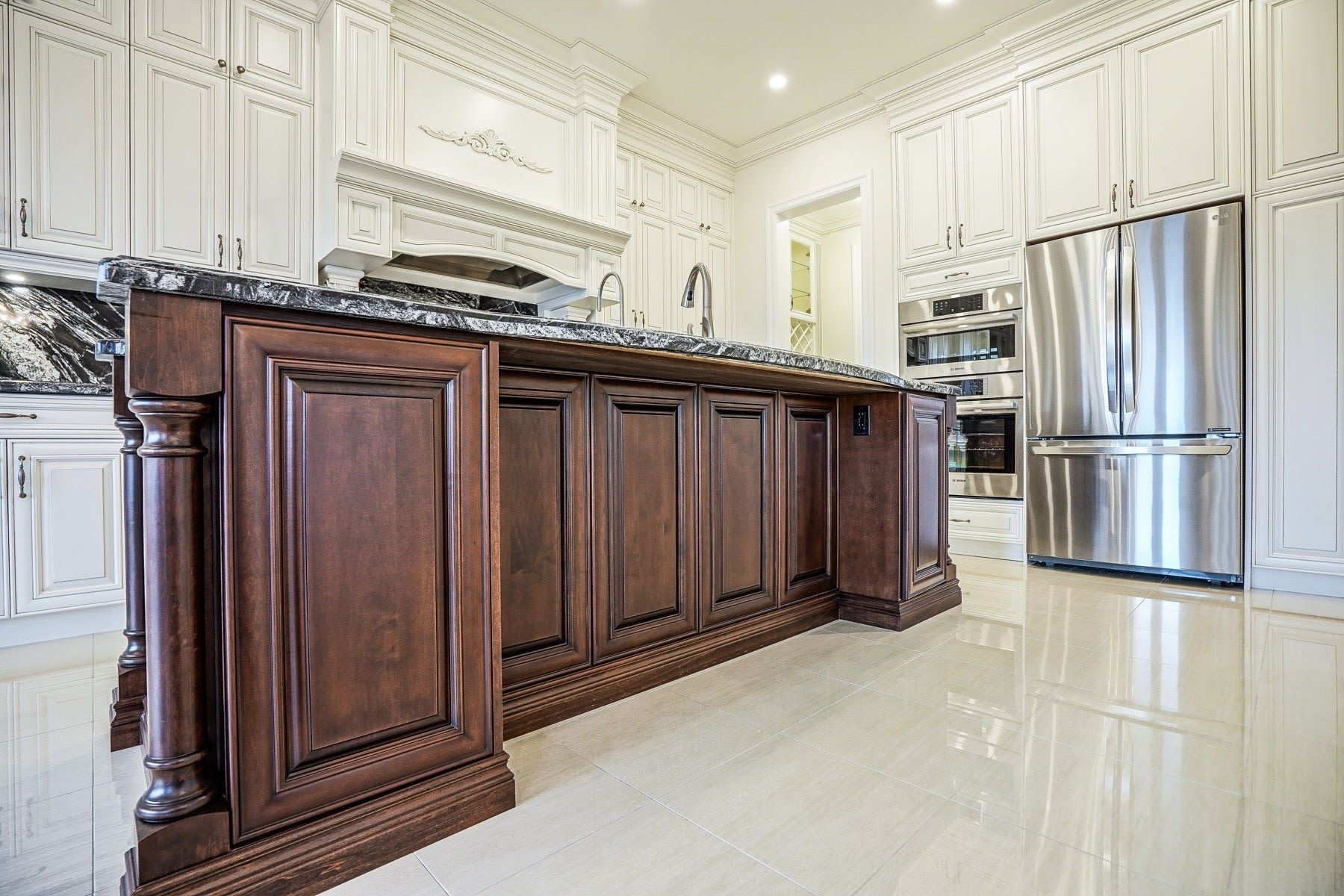
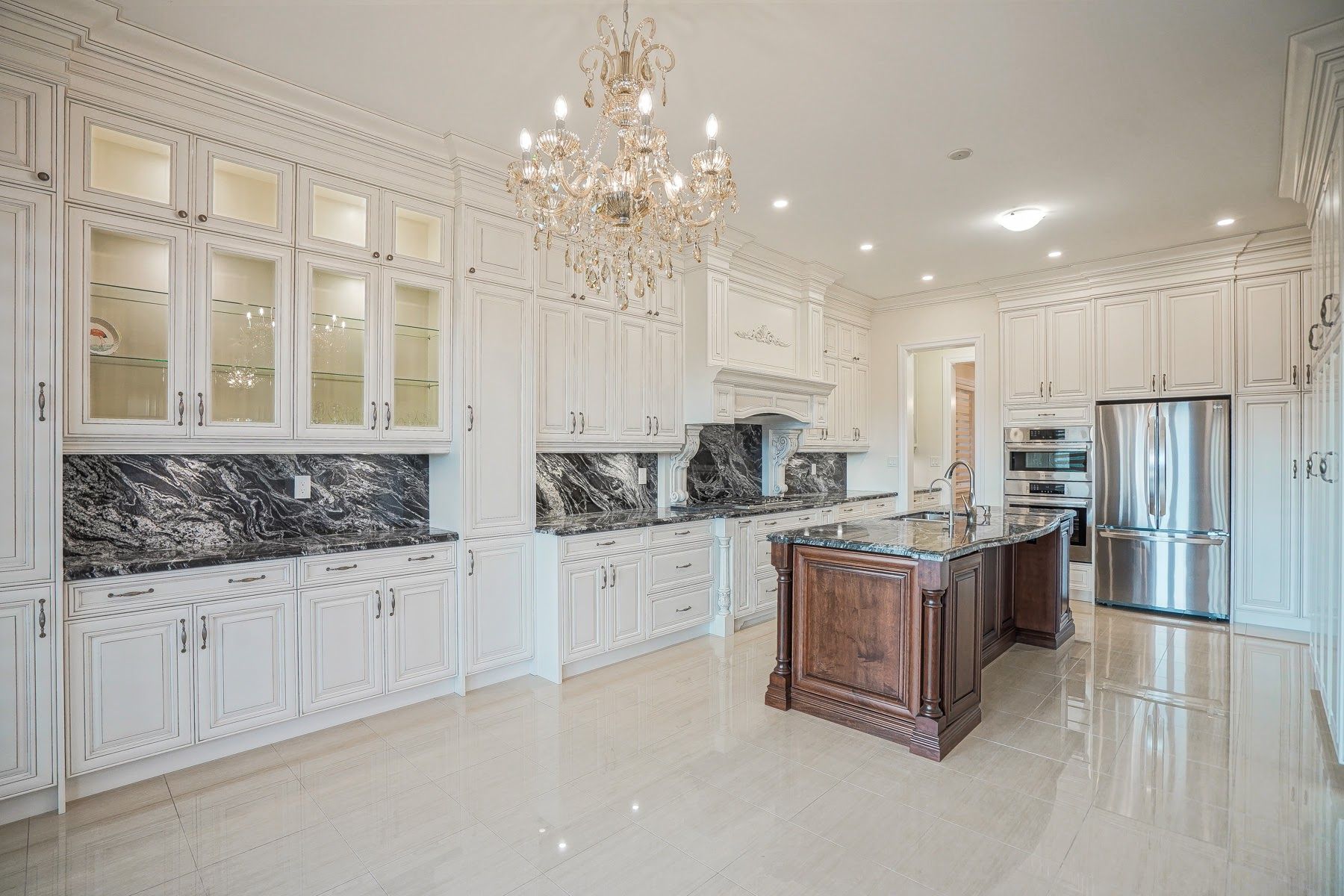
Mass produced kitchen cabinets look fine in a showroom but often lack the sheer internal strength required for long term daily use. Upgrading to custom solid wood and premium plywood provides a permanent fix that completely eliminates the risk of sagging. We explain why cheap shelving fails under pressure and why proper material selection matters for your home value. Investing in the right wood products secures your kitchen storage for decades to come.
What We Cover:
1. The Core Problem with Builder Grade Materials
2. Why DIY Reinforcement Makes the Damage Worse
3. The Structural Advantage of Solid Wood
4. Customizing Your New Kitchen Storage
The Core Problem with Builder Grade Materials
Most standard kitchen cabinets found in older Newmarket homes are constructed entirely from particleboard. This manufactured material consists of sawdust and wood chips held together with industrial glue and covered in a thin paper veneer. While highly cost effective for the original builder, particleboard possesses very little structural spanning strength.
When you load a thirty inch particleboard shelf with stacks of heavy dinner plates, the constant downward gravity slowly stretches the glued wood fibers. Over time, the shelf develops a permanent downward curve that prevents the doors from closing properly. The small metal pins holding the shelf in place begin to crush the soft wood core, eventually tearing entirely through the side walls of the cabinet box.
→ A quick tip to remember: Once a particleboard shelf begins to sag, the internal glue bonds are broken and the material will never return to a flat position.
Why DIY Reinforcement Makes the Damage Worse
When shelves start bowing, many homeowners try to fix the problem by screwing metal brackets or wooden cleats into the existing cabinet walls. This amateur repair approach almost always accelerates the destruction of the entire unit. The thin particleboard walls lack the dense fiber structure needed to securely hold threaded metal screws under tension.
As soon as you place the heavy dishes back onto the reinforced shelf, the new screws act like levers that rip massive chunks of material out of the cabinet sides. Attempting to brace the center of the shelf with a vertical piece of wood resting on the bottom floor only transfers the heavy load to the weakest part of the cabinet base. You end up with ruined side panels, a fractured base floor, and a storage unit that requires total replacement anyway.
→ From a professional standpoint: You cannot bolt structural strength into a material that was specifically manufactured to be lightweight and cheap.
The Structural Advantage of Solid Wood
Replacing weak manufactured boxes with custom solid wood or three-quarter-inch cabinet grade plywood completely changes the load bearing capacity of your kitchen. Plywood consists of multiple layers of real wood veneer glued together in alternating grain directions. This cross grain construction creates immense sheer strength that actively resists bending under extreme weights.
When we install locally made custom cabinets, the shelving utilizes this dense plywood core paired with a solid hardwood edge banding. The hardwood edge acts as a rigid stiffener that keeps the front of the shelf perfectly straight even when fully loaded with heavy cast iron cookware. The steel shelf pins rest inside precisely drilled holes that will never crush or tear out under pressure.
How do you fix a sagging cabinet shelf?
You fix a sagging cabinet shelf by completely discarding the warped particleboard unit and replacing it with a custom cut piece of three-quarter-inch hardwood plywood. Before inserting the new wood, you must inspect the side walls of the cabinet box to ensure the drilled holes holding the support pins have not wallowed out or cracked. If the holes are damaged, a professional carpenter will install full length wooden cleats along the interior walls to provide a solid continuous ledge for the new heavy duty shelf to rest upon safely.
Customizing Your New Kitchen Storage
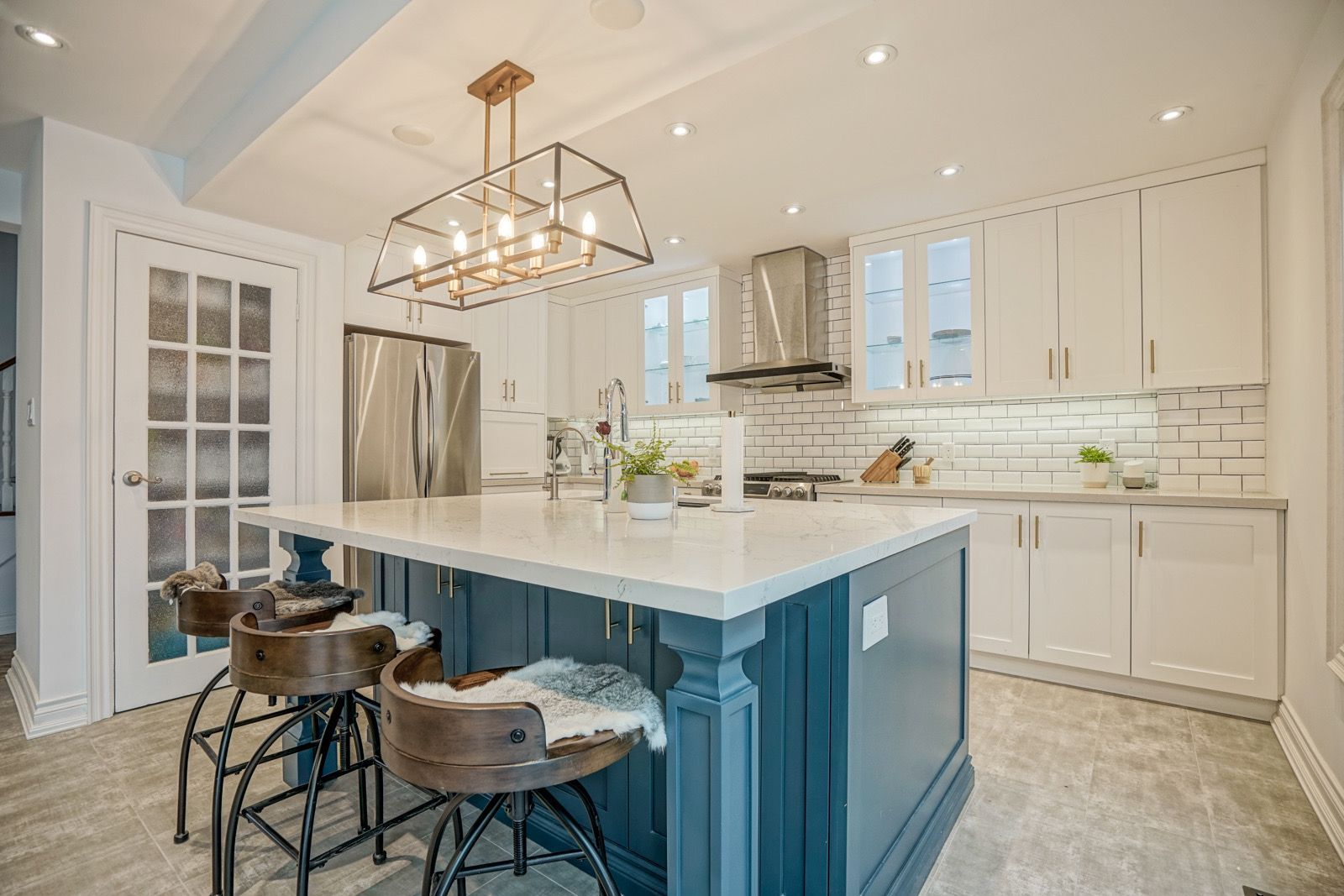
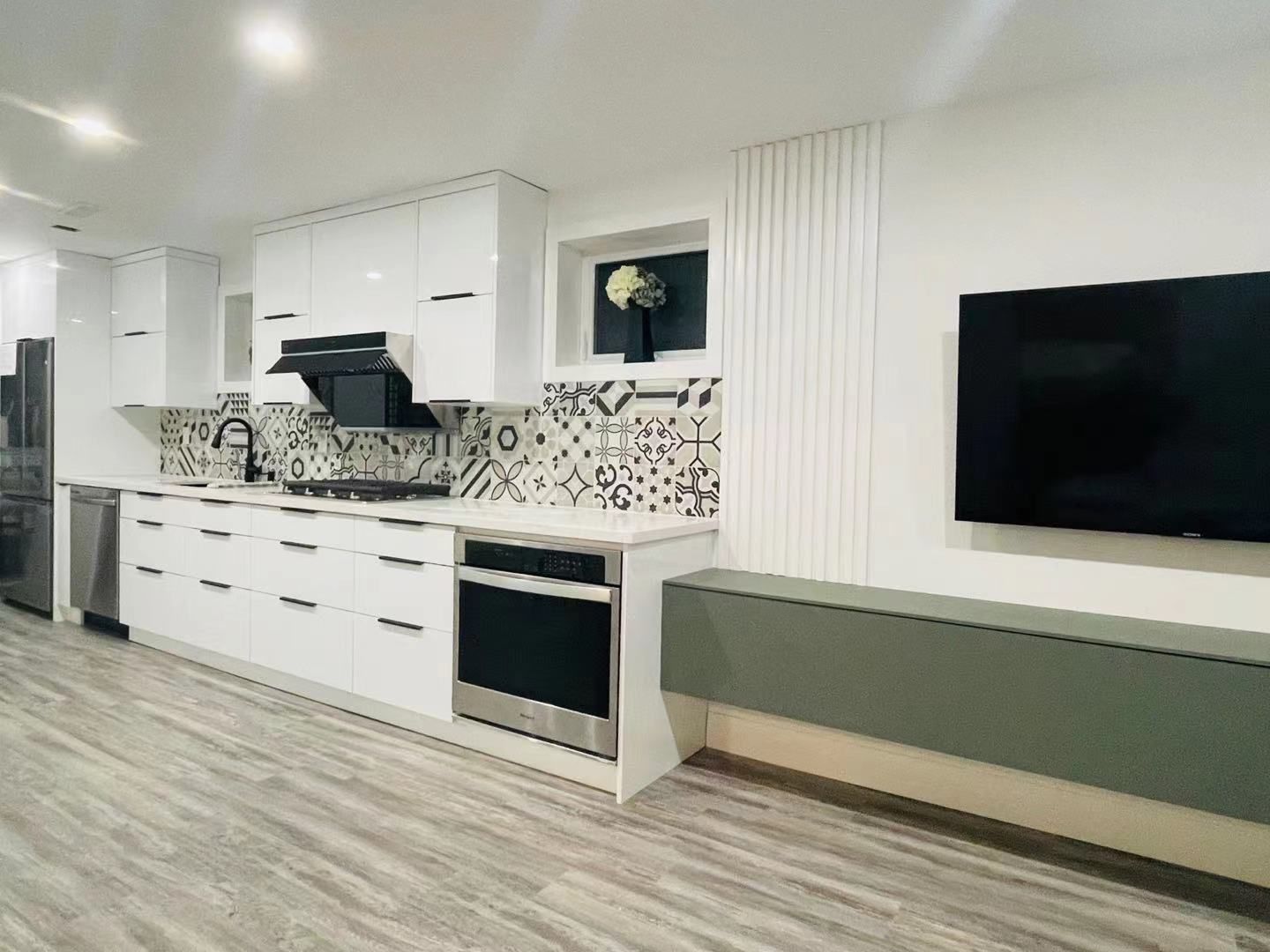
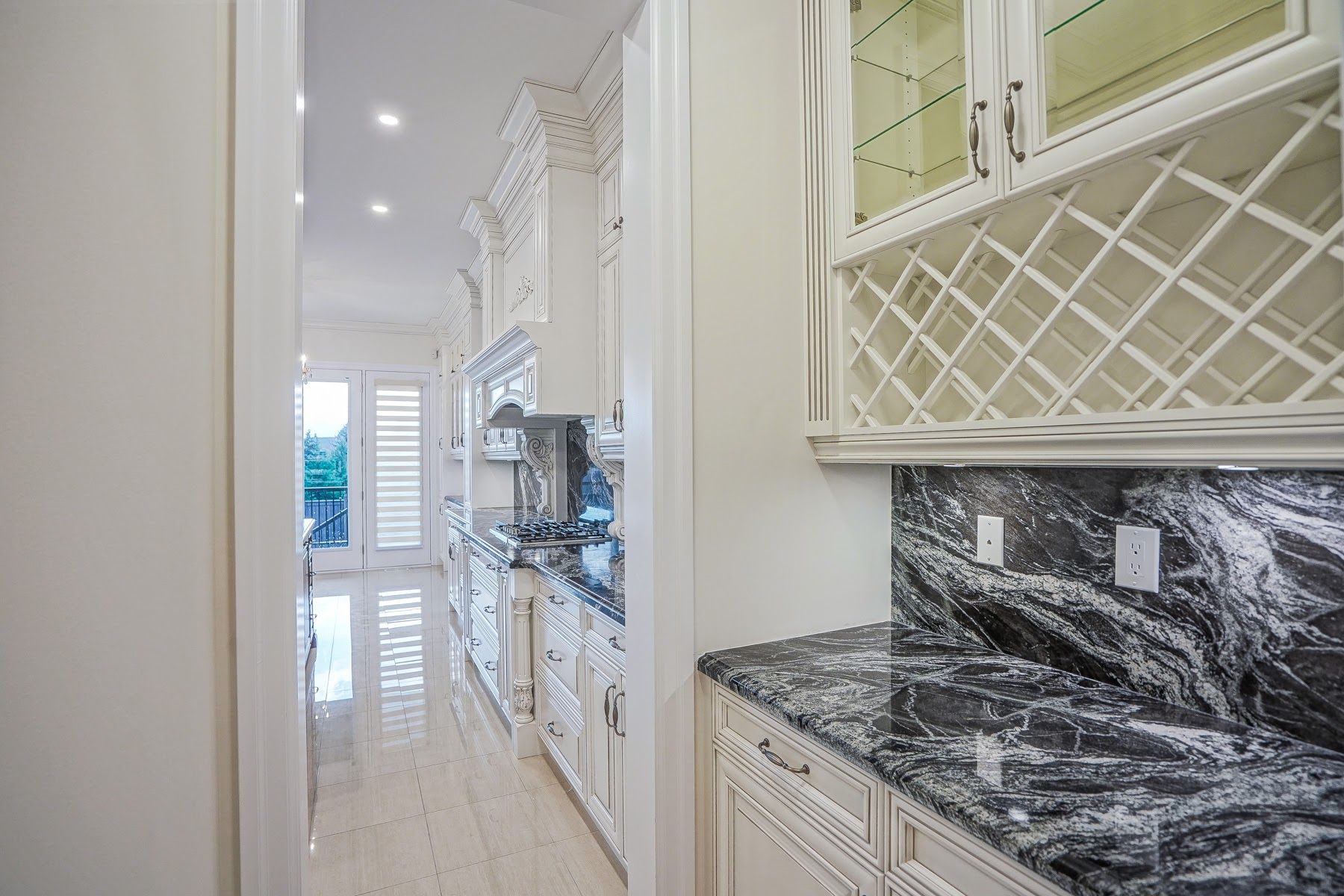
Replacing your worn out boxes with highly durable custom kitchen cabinets restores functionality and safety to your daily cooking routine. We help you design the interior layout to include heavy duty pull out drawers and reinforced stationary shelves that easily handle your heaviest items. Upgrading to premium local materials ensures your kitchen storage never bows or breaks under pressure again. Call our design team today to schedule an in home measurement and upgrade your failing kitchen setup.