Why Ductless Range Hoods Fail During Heavy Canadian Winter Cooking
Canadian winters force households to cook indoors with windows tightly sealed against the cold. At Grande Tile and Reno Plus, we constantly encounter beautiful kitchen renovations compromised by poor ventilation choices. Many homeowners assume that a ductless, recirculating fan is a perfectly fine substitute for a traditional exterior vent. This assumption leads to greasy cabinets, lingering odors, and compromised indoor air quality when heavy cooking begins.
Understanding the mechanical limits of recirculating hoods helps you avoid serious moisture problems in your home. Proper kitchen exhaust venting is a critical structural element that protects your custom cabinetry and drywall from permanent damage. We break down exactly how these systems function and why venting outside is the only reliable way to handle high volume cooking. Protecting your new layout requires addressing the unseen mechanical systems just as much as the visible finishes.
What you will find below:
- The Myth of the Charcoal Filter
- How Moisture Destroys Custom Cabinetry
- Understanding Exterior Venting Requirements
- Planning Your Exhaust Route
The Myth of the Charcoal Filter
People commonly assume that ductless hoods clean the air before blowing it back into the room. If you are wondering, do I really need a vented range hood in my kitchen, the answer is an absolute yes if you want to effectively remove moisture and heat. The trade reality is that charcoal filters only capture a small fraction of airborne grease and do absolutely nothing to stop humidity. When you boil water for pasta, all that heavy steam simply passes through the metal mesh and blasts directly onto your ceiling.
How Moisture Destroys Custom Cabinetry
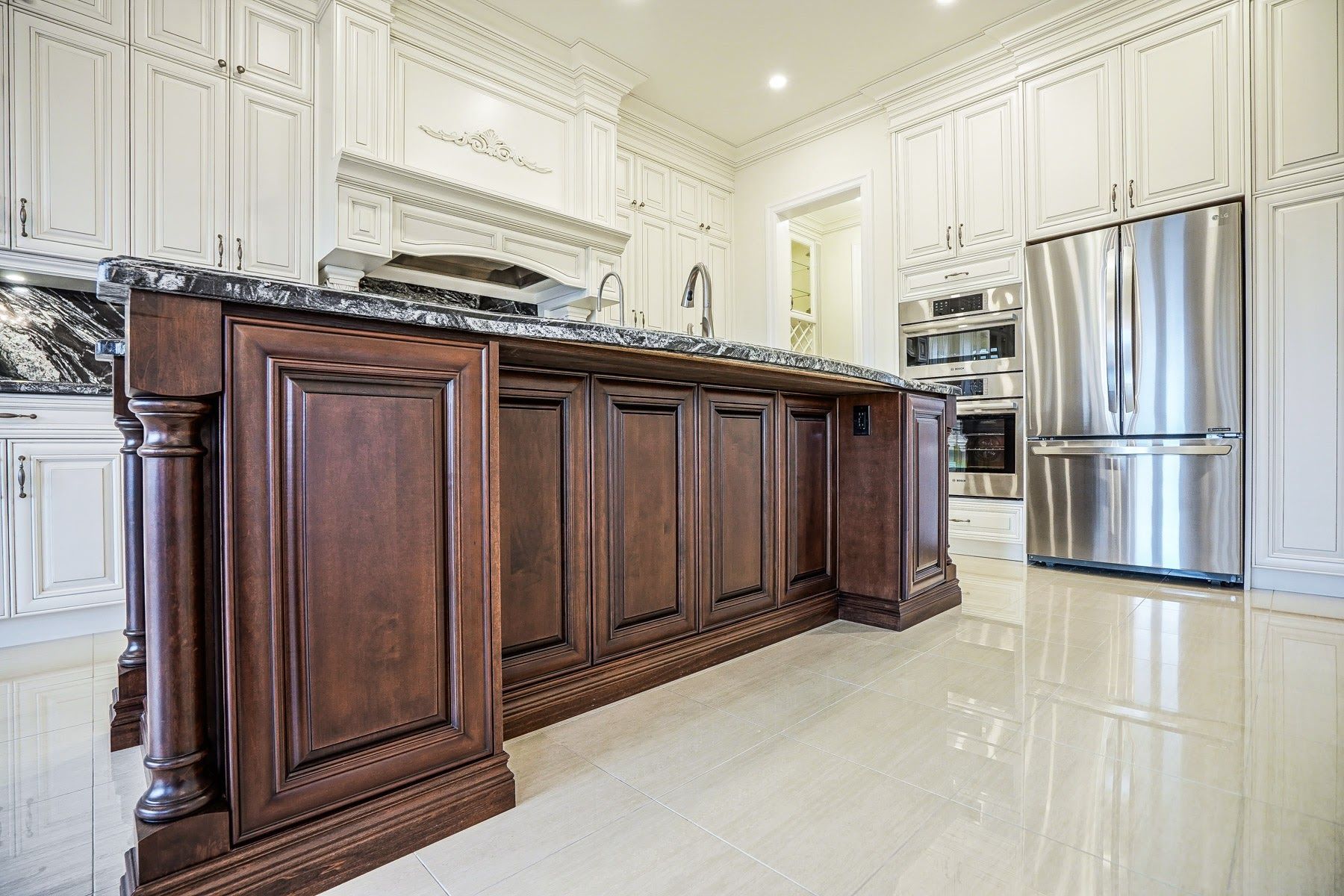
All that trapped steam has to go somewhere once it hits the cold winter air inside your Newmarket, Ontario home. It condenses on the coldest surfaces available, which usually means your brand new solid wood kitchen cabinets and glass window panes. Over time, this constant cycle of boiling and condensing causes the wood grain to swell and the factory paint finishes to crack. We see expensive wood doors destroyed within three years simply because the kitchen lacked a proper exterior exhaust route.
Addressing these unseen mechanical and structural details is how our installation teams protect your entire investment. Knowing that your contractor handles everything from the layout to the venting ensures the final product lasts.
► Client Experience: My wife and I were very happy with the professionalism from Howard and his crew. He was able to help with the shower enclosure as well. We have to other bathrooms were going to be doing. We will be going back to Grande tile and would also recommend them. - Dave Sim
Delivering a complete and mechanically sound project is what builds this kind of long term trust.
Understanding Exterior Kitchen Exhaust Venting Requirements
Proper venting requires cutting a dedicated hole through your exterior wall or roofline. The ductwork must be made of rigid metal to prevent grease from pooling in the ridges of flexible foil pipes. Local building codes dictate the specific diameter of the pipe based on the cubic feet per minute rating of your chosen fan motor. Moving a stove to an interior island complicates this process immensely because the ducting must route through the floor joists to reach the outside.
Securing Your Air Quality
A beautiful kitchen only functions well if the air remains clear and comfortable while you cook. Upgrading your ventilation system during the initial design phase saves you from dealing with peeling paint and lingering smells later. Reach out to our design team to discuss how we can properly vent your next kitchen remodel.